
Freshness at 1,050 metres above sea level
Organic home-grown produce
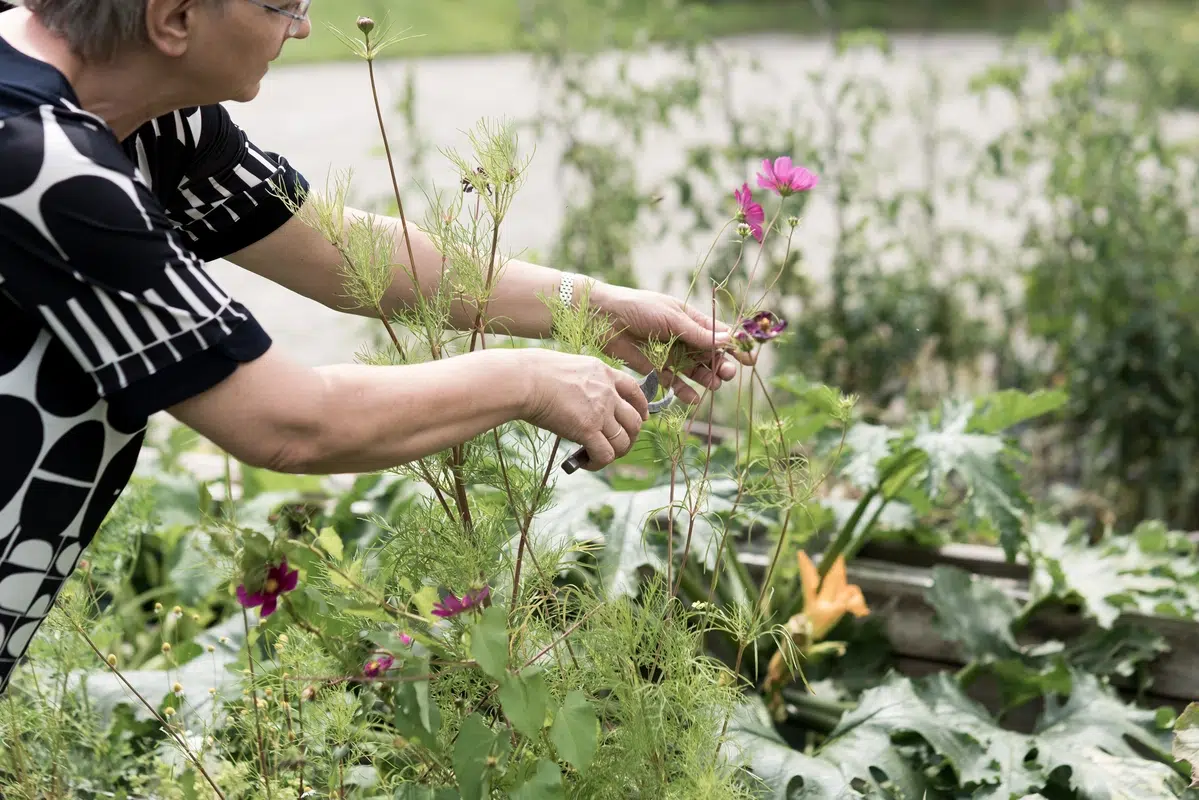
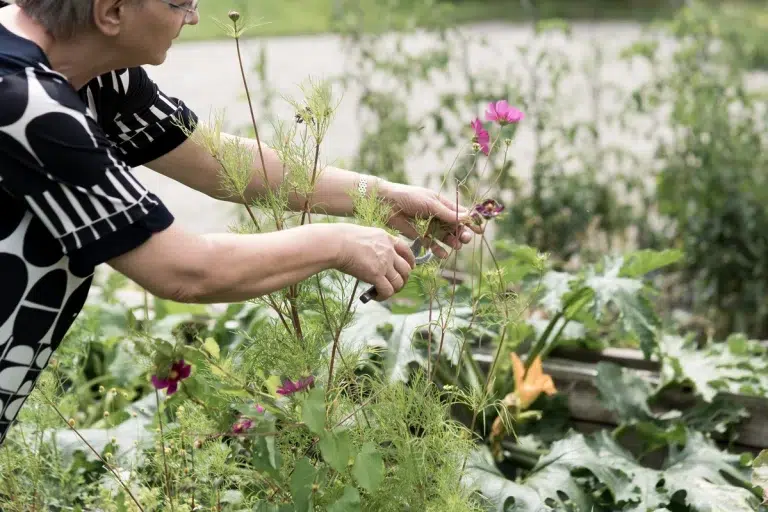
When you walk through the garden in summer, it smells of thyme. Of mint. And of earth that has just been watered. Countless varieties of herbs grow here at 1,050 metres above sea level. Plus 20 – some old and mostly forgotten – tomato varieties as well as numerous different types of vegetables, berries and salad leaves. Mainly of these are irrigated with collected rainwater.
The organic garden gives us everything that matters: freshness. Control. And the certainty that no chemicals come into contact with the plants. In spring, the first herbs; in summer, the full range; in autumn, the harvest; and in winter, we stock up the larder. The way it should be.

What grows here
Our garden
Herbs01
For all the senses
A wide variety of herbs, from salad burnet and oregano to melon sage, lemon thyme and chocolate mint. Everything the organic kitchen needs grows here. Basil for the tomato soup. Thyme for the meat dishes. Mint for the cocktails. Sage for the butter. Each herb has its time and its purpose. And what is not intended for direct consumption is processed: into pesto, herb salt and herbal fruit smoothies.
Vegetables & salad leaves 02
Fresh & crisp
Sun-ripened tomatoes, courgettes and salad leaves that are still in the ground in the morning and on your plate by lunchtime. It doesn’t get any fresher than this. Our tomatoes are truly special: 20 different varieties, some of them old and mostly forgotten, grow in our garden. Sometimes guests bring us tomato seeds from which we grow new ones, sometimes we give guests seeds to take home so that they can enjoy them for a long time to come.
Fruit & berries 03
By altitude
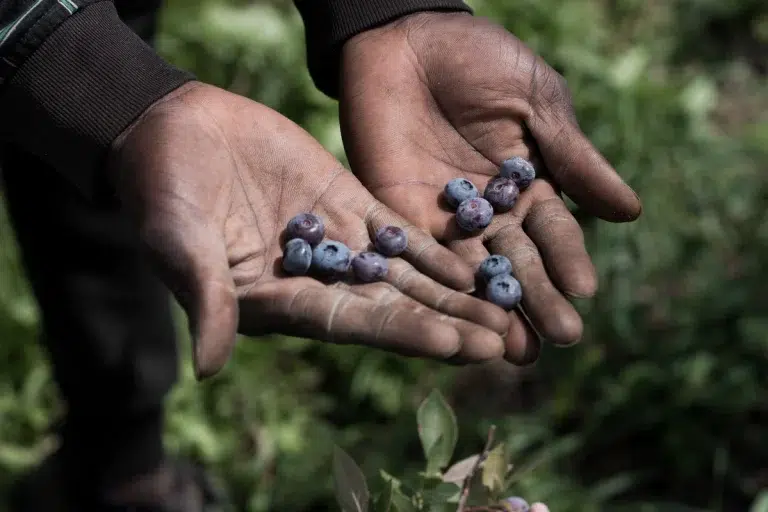
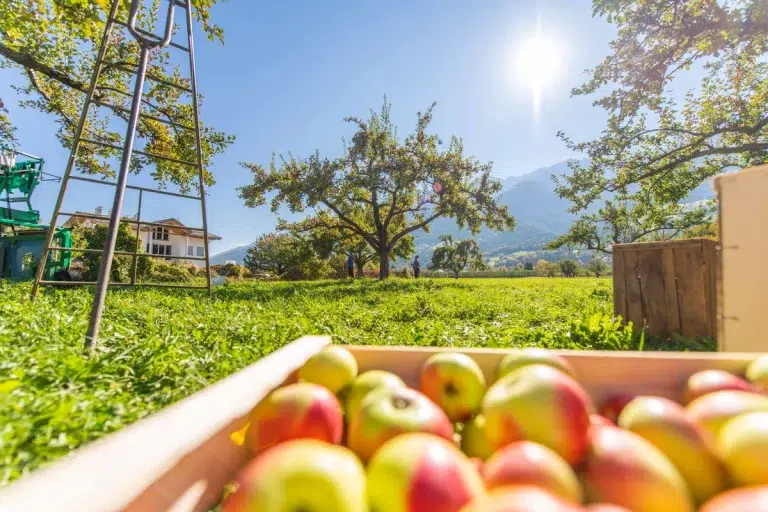
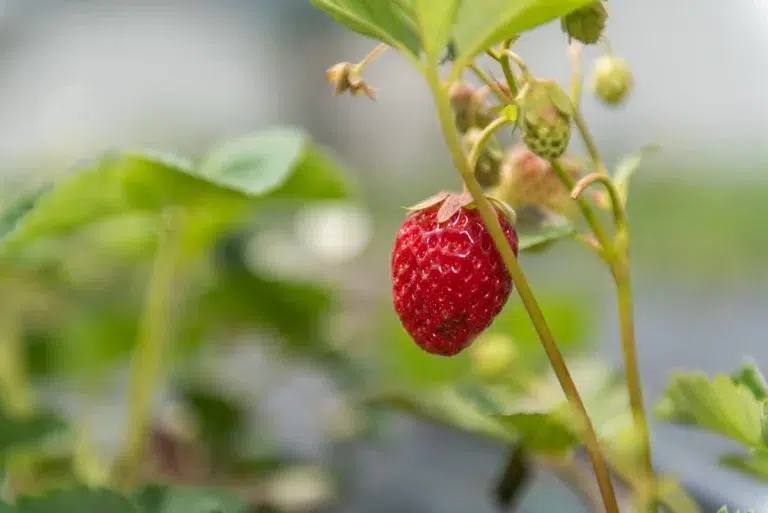
No bananas grow at 1,050 metres above sea level. But berries do: blueberries, strawberries, aronia berries, currants, gooseberries and raspberries. We even grow physalis here. As well as apples and cherries – they grow on our traditional orchard in Agums. What is harvested goes into the jam. Or into the juice. Or directly onto the breakfast table.
You are currently viewing a placeholder content from Vimeo. To access the actual content, click the button below. Please note that doing so will share data with third-party providers.
More Information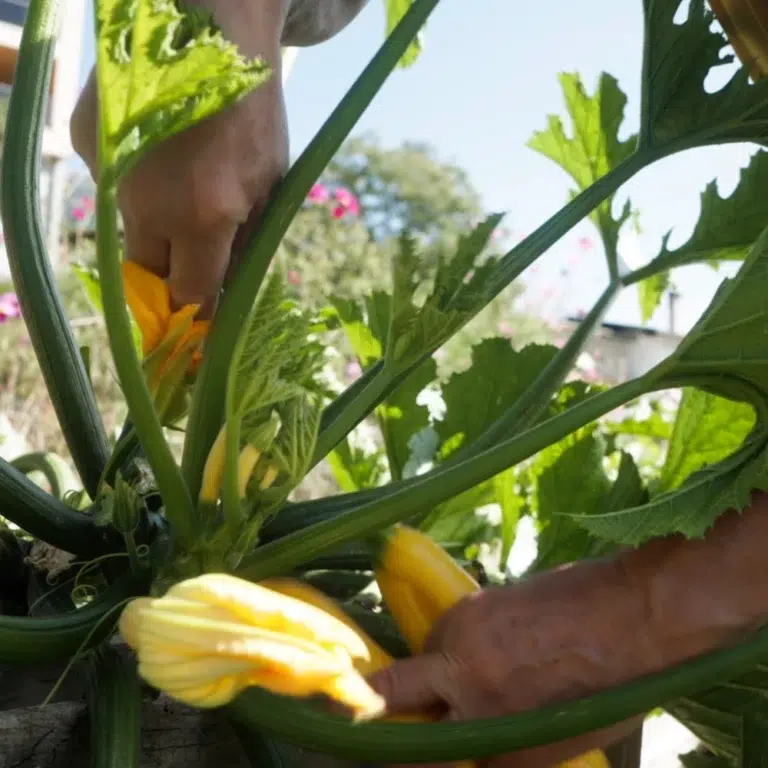
Why in-house production is important to us
Crisp & healthy
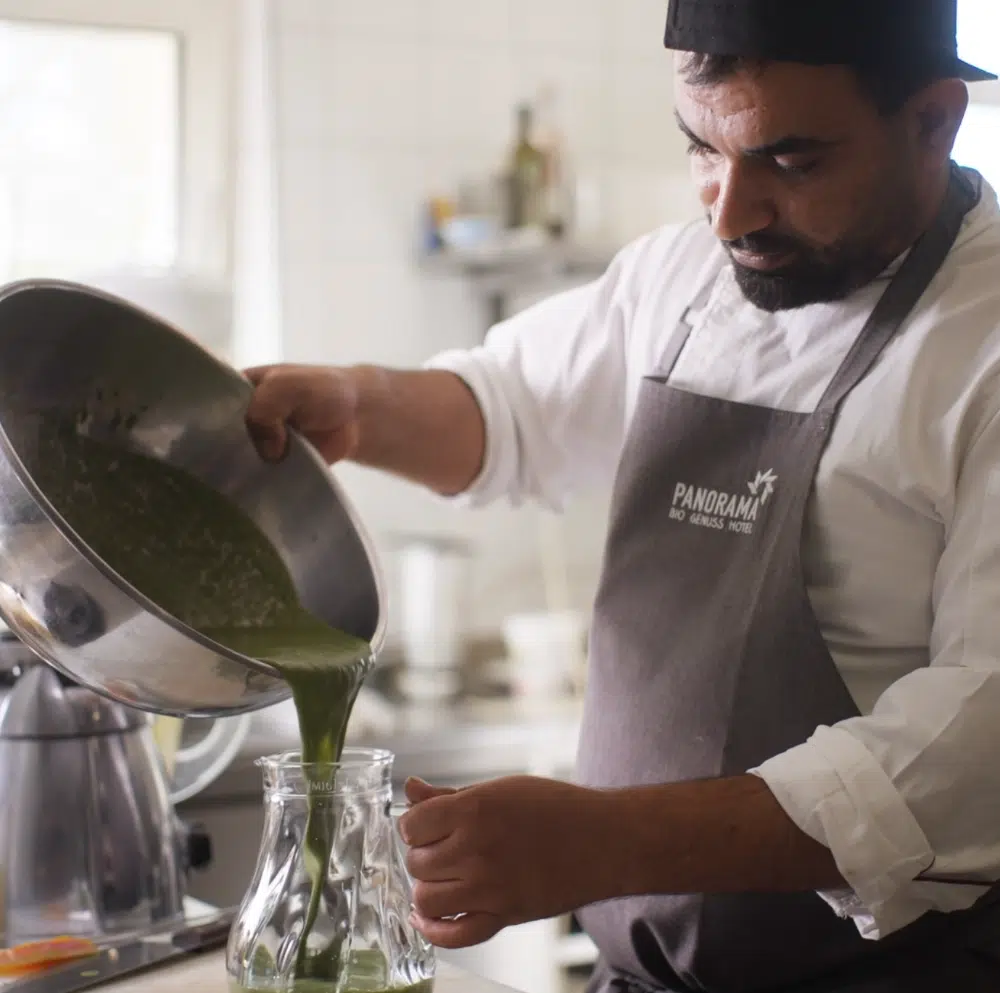
What’s growing in the morning is on your plate in the evening. No supermarket, no supply chain, no storage. We harvest what is then prepared straight away in the kitchen. This applies to salads, herbs and vegetables. Everything that needs to be fresh is freshly harvested. And anything that isn’t used straight away goes into production: jams, compotes, juices, sauces and pasta parcels.
From the harvest
Homemade specialities
The produce that is cultivated in the garden is then processed. Nothing is wasted; everything is used. Our jams and chutneys are sweet, fruity and homemade. Apricot jam. Blueberry jam. Apple chutney. What is harvested in summer ends up in jars and on your bread at breakfast. The smoothies are freshly prepared without any additives. And our pasta is also homemade using organic eggs. Freshly prepared and freshly cooked.

Insider tip
from Friedrich
July & August
“July and August”, says Friedrich. “That’s when you get the greatest variety.” In spring the first herbs grow, in summer the garden is full, in autumn the harvest starts. But if you want to see the full splendour, come in midsummer. Then everything is in bloom, growing and ripening at the same time.
And anyone who comes across Friedrich or Georg in the garden gets a little guided tour. They explain what grows there, when it ripens and what it’s used for. No official tour, no registration required. Just get in touch.